East Alton, Illinois
Basement Mold Removal and Cleanup in East Alton, IL
East Alton basement mold removal begins by identifying the moisture source, whether from spring runoff, a foundation breach, or a sump pump failure. The growth is extracted, the area contained, and the structure dried thoroughly.
When you call
What happens when you call East Alton's 24/7 line
Call (844) 352-3560 any hour. The line is answered 24/7 and insurance is accepted.
The process
The basement mold removal and cleanup process in East Alton, IL
Inspect
Moisture meters and thermal imaging locate water intrusion paths along foundation walls, sump pits, and window wells, pinpointing the source beyond visible mold.
Contain
The basement area is isolated with containment sheeting and placed under negative air pressure with HEPA filtration before remediation begins.
Remove
Contaminated porous materials like drywall, insulation, and carpet padding are removed and bagged. Sound surfaces are cleaned and treated with antimicrobial solutions.
Dry
Industrial air movers and dehumidifiers operate based on precise moisture readings, continuing until the structure meets established drying criteria.
Verify
Original moisture sources are rechecked prior to project completion, as basements can conceal persistent seepage only detectable with specialized tools.
Why East Alton homeowners call
Basement Mold Removal done to the IICRC S520 standard in East Alton, IL
Moisture source identification
The investigation focuses on tracing how moisture enters the basement to support a lasting solution.
Radon system compatibility
Existing radon mitigation components are worked around meticulously to maintain system integrity.
Documented remediation process
Photographic documentation, daily moisture logs, and a detailed scope provide clarity, especially for insurance purposes.
Insurance coordination
For covered losses, the project details are communicated directly with the homeowner's insurance carrier.
When to call
When to book Basement Mold Removal in East Alton
- White efflorescence or dark stains along basement foundation walls
- A persistent musty odor strongest at the bottom of the staircase
- Softening drywall or damp carpet edges following heavy spring rainfall
- A sump pump that ran continuously or failed during seasonal runoff
- A flooded window well with water tracked across the basement floor
- Spotted and musty cardboard boxes stored against basement walls
Any one of these is reason enough to call (844) 352-3560, the line is answered 24/7.
Scope of work
What the crew removes and treats in East Alton homes
Drywall and baseboard
Drywall cut line established two feet above the highest moisture reading
Carpet and pad
Carpet padding discarded; carpet may be salvageable only in clean water situations
Bottom plate and studs
Surfaces HEPA vacuumed, treated with antimicrobial, and dried to a target reading
Fiberglass batt insulation
Wet insulation removed from wall cavities and bagged for disposal
Concrete and block
Sound framing cleaned, treated with antimicrobial agent, and dried
Vapor barrier behind framing
Baseboard trim removed where it trapped moisture against the wall
Not sure how far the damage runs? Describe it on the phone at (844) 352-3560, the line is answered 24/7.
By location
Basement Mold Removal by city
Basement Mold Removal covers East Alton and the whole Madison County area. Pick your city for local detail and pricing.
Where the crews work
Basement Mold Removal across East Alton & the Madison County area
From East Alton out to Wood River, Rosewood Heights, Roxana, and the Madison County area. The same crews, the same 24/7 line.
What it costs
Mold removal cost in East Alton, IL
Every job is different, so these are the typical Illinois ranges. They are planning numbers, not a quote. Your price depends on how much mold there is, where it is, and what caused it.
A single moldy spot, a closet, or under a sink. The crew seals it off, removes it, and treats the surface.
A bathroom, kitchen, or bedroom with mold on a wall or ceiling, plus the moisture source fixed.
Larger areas that need more containment and drying. Common here after spring rain or a slow leak.
Mold across several rooms or after major water damage. The work runs in phases, room by room.
The surest way to get a firm number is to call and have the crew walk the space with you. Want a ballpark first? Try the instant mold remediation cost calculator. Filing a claim? Insurance is accepted and the contractor works with your carrier, so read the mold insurance claims guide.
Time and scope
How long Basement Mold Removal takes in East Alton, and what is included
How long the job takes
Finished basements generally require more time than unfinished ones, as removal of drywall, flooring, and framing adds steps. The drying phase dictates completion, with equipment running until moisture meters confirm the structure is dry, not just visually.
What is included, what is booked separately
- Basement containment under negative air pressure with HEPA filtration
- Removal of affected drywall, baseboard, carpet padding, and insulation
- Antimicrobial application to remaining framing, concrete, and block
- Drying with industrial dehumidifiers and air movers to meet target readings
- Photographic documentation, moisture logs, and a written scope for insurance
Booked separately: Crawl Space Mold Removal, Mold Clearance Testing, Mold Damage Restoration.
For a firm schedule and a written scope, call (844) 352-3560, the line is answered 24/7.
On the job
Mold remediation work in East Alton homes
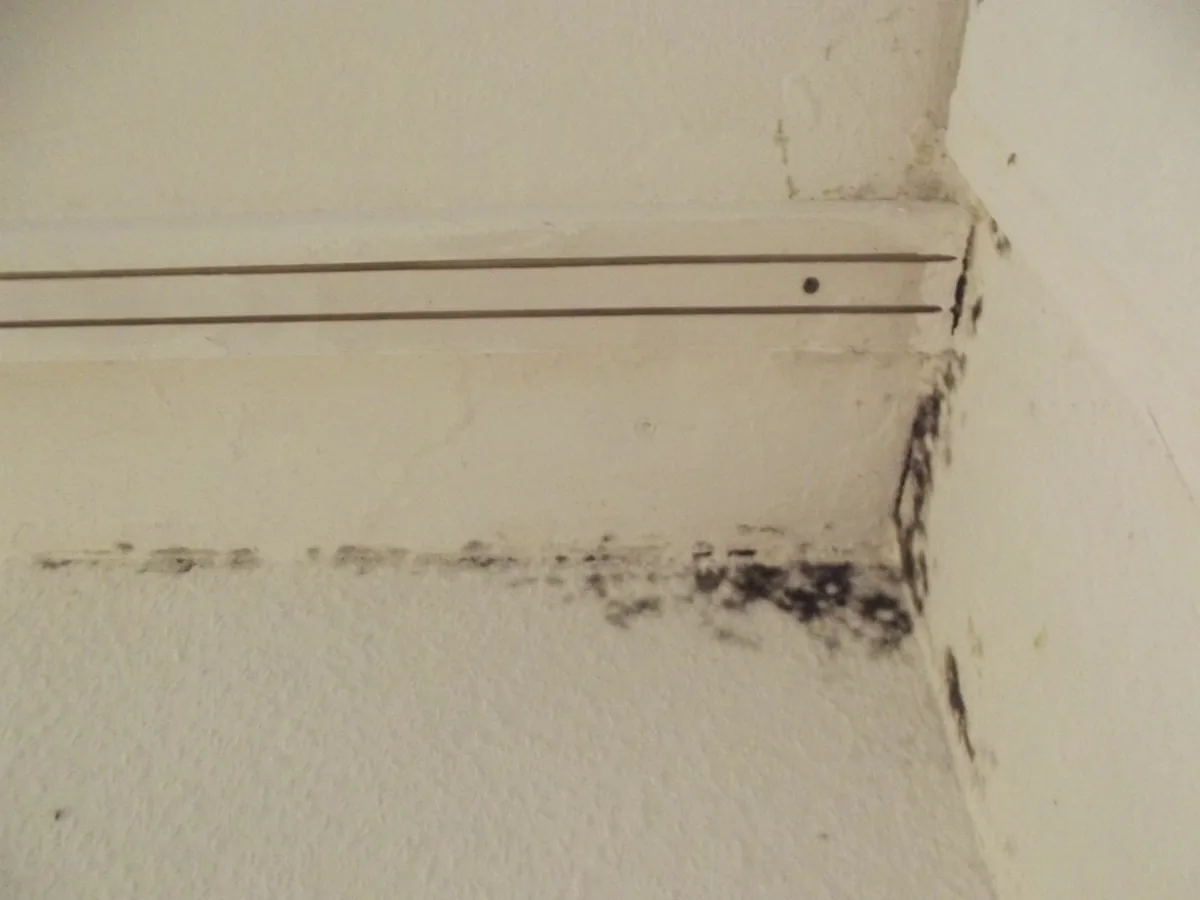
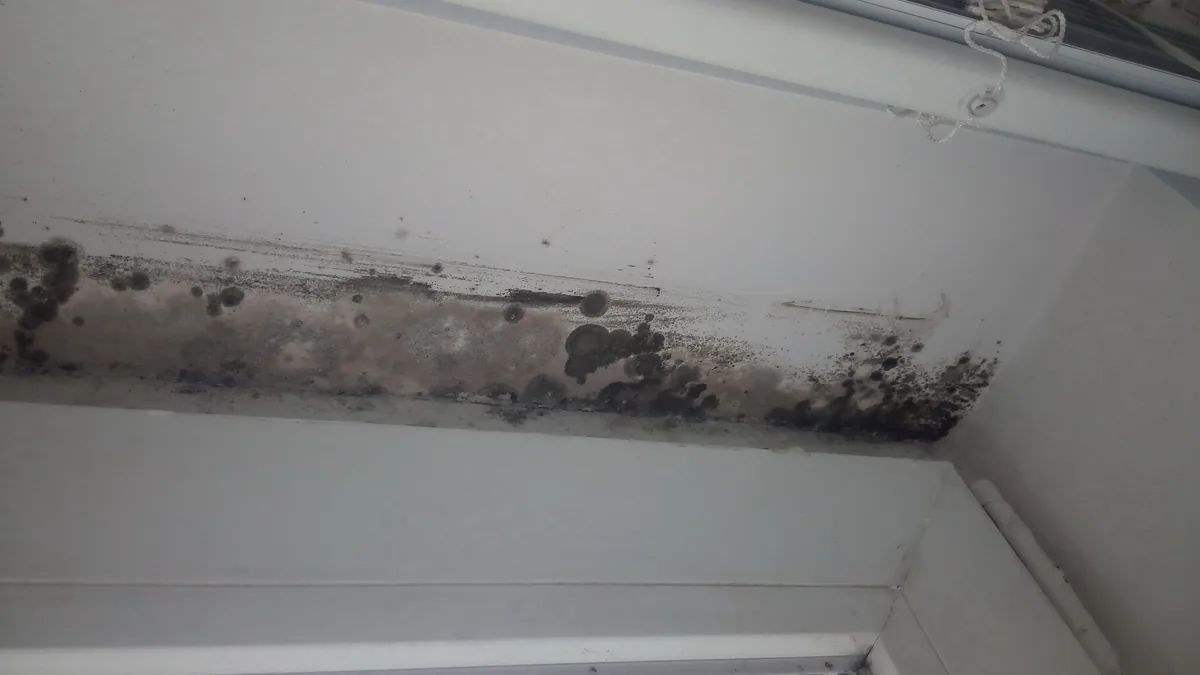
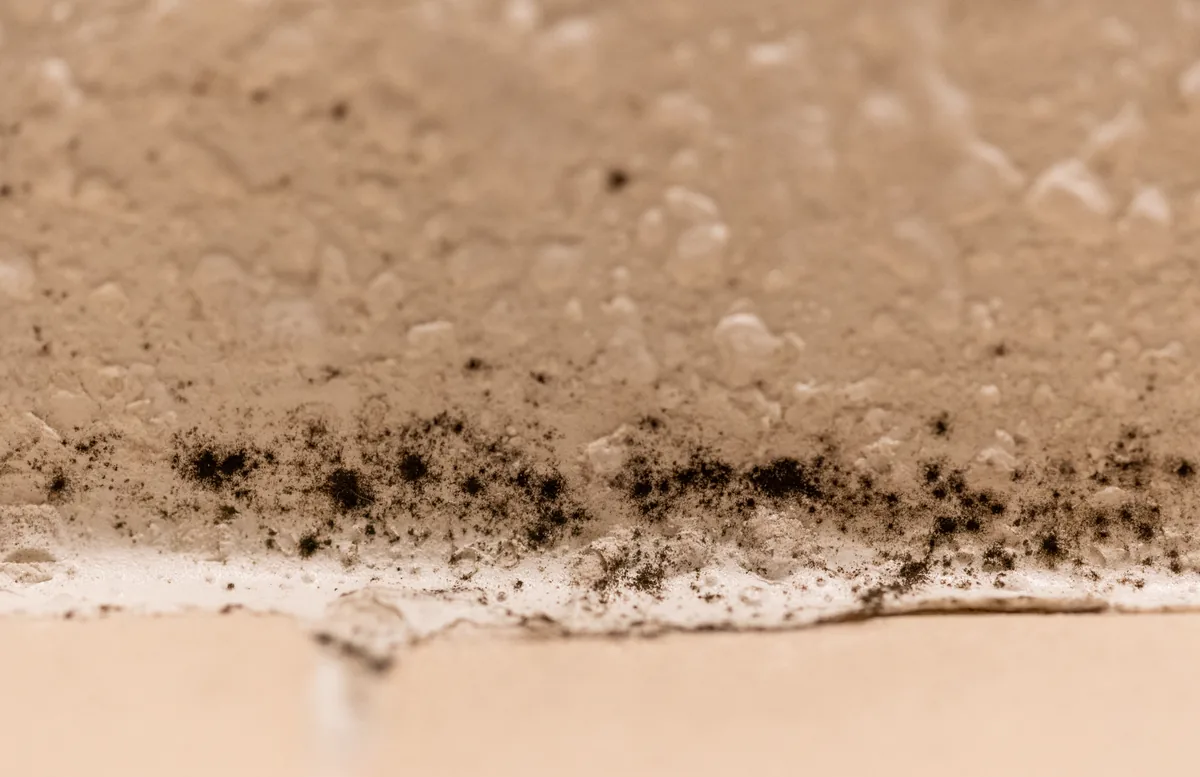
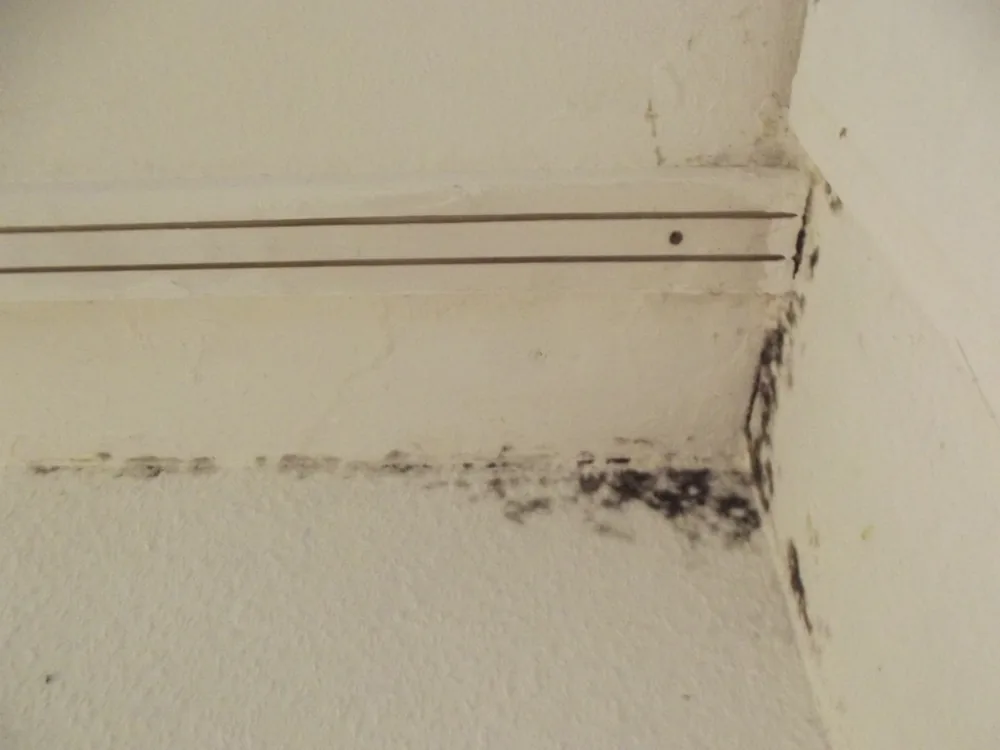

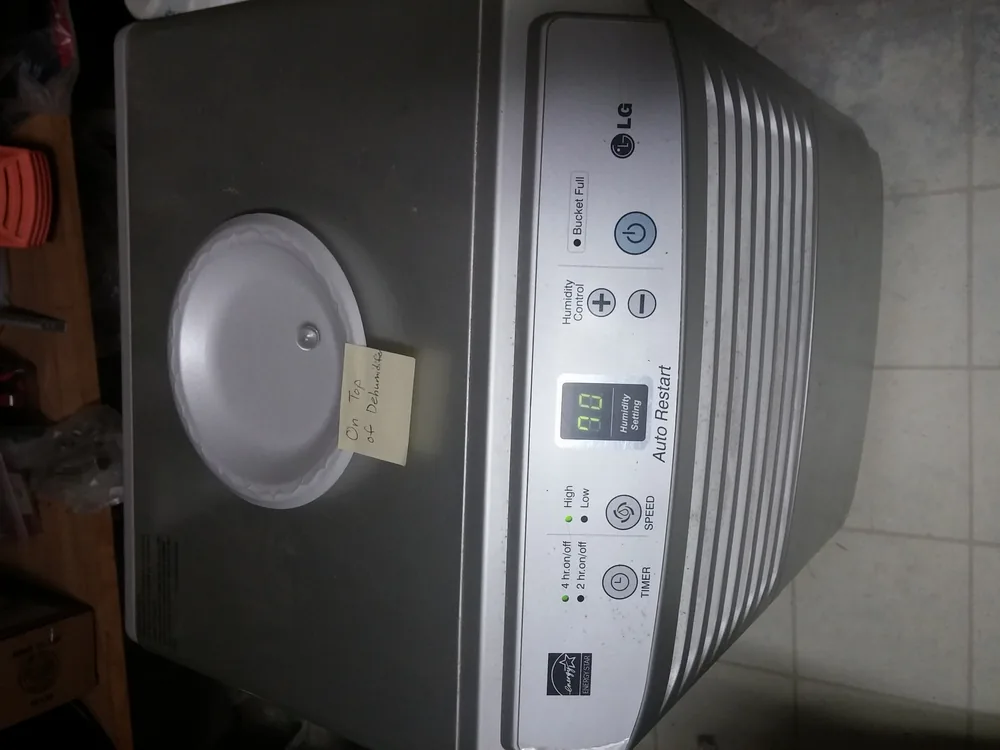
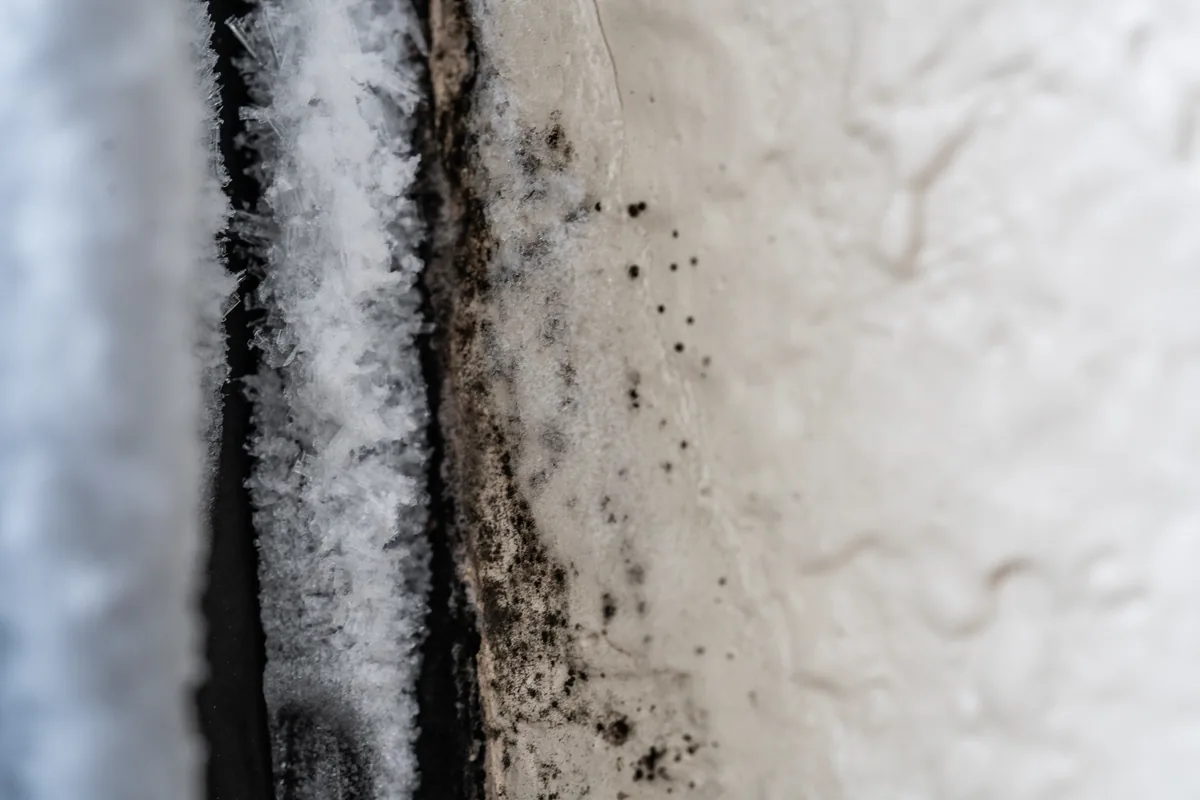
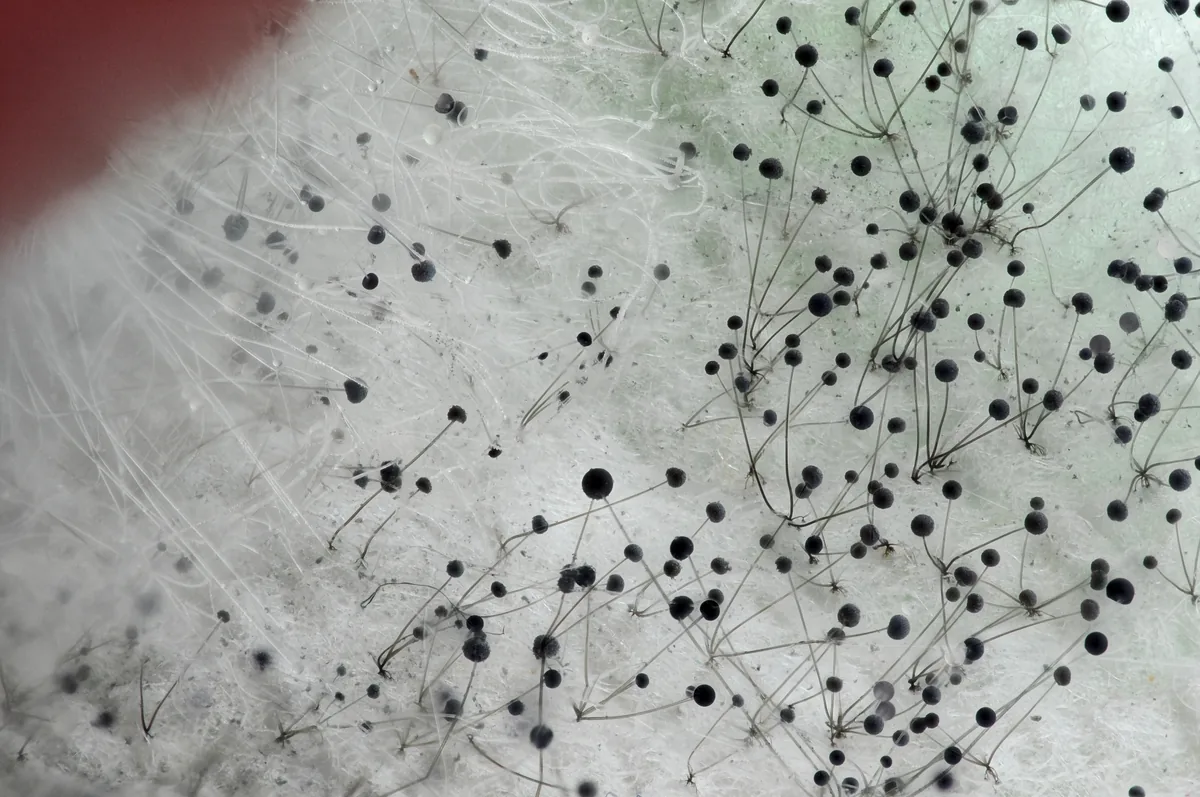
Moisture Challenges for East Alton Basements
Basements receive all downward-moving moisture within a home. In East Alton, this often originates from external factors like heavy spring rain and surface runoff against foundation walls, particularly where landscaping slopes toward the house.
Common entry points include hairline cracks in poured concrete, overflowing window wells, and sump pump failures, which account for many basement mold calls in Madison County.
Unfinished basements allow for easier early detection. Finished spaces with drywall, carpet, and framing can conceal moisture within wall cavities for extended periods before odors emerge.
Service requests often increase during March and April from snowmelt, and again after summer storms overwhelm drainage systems that function adequately during drier periods.
For independent guidance on mold, moisture, and safe cleanup, see EPA: a brief guide to mold, moisture, and your home and EPA: a guide to mold cleanup and moisture control.
Mold Indicators in Finished and Unfinished Basements
The visible signs of mold differ depending on whether the basement is finished or unfinished.
- Unfinished: white or gray staining on concrete, efflorescence, damp patches on the wall
- Finished: musty smell, discolored carpet edges, soft or bubbling drywall near the floor
- Either type: condensation beading on cold water lines or the water heater
- A sump pump cycling far more often than usual after storms or spring rain
- Rust or staining ringing a floor drain
Identifying Moisture Sources Alongside Mold Removal
Effective remediation requires identifying the water entry point. Issues like foundation cracks requiring sealing or sump pumps needing replacement are documented for homeowner awareness, though the repairs themselves are separate from the mold work.
The objective is to remove microbial growth, dry the structure to a verifiable standard, and provide a clear assessment of the moisture issue for long-term resolution.
Recurring mold problems often stem from an unaddressed water source. Pinpointing this source is a fundamental part of the initial assessment.
Homeowners can check exterior grading; soil that slopes toward the foundation directs water to the basement walls, creating a persistent moisture problem.
Coordinating with Existing Radon Mitigation Systems
Many basements in East Alton and Upper Alton have radon mitigation systems. Technicians work carefully around existing piping and fan units during remediation.
If the basement connects to a crawl space with its own vapor barrier, that area is also inspected, as moisture issues frequently migrate between these spaces.
In systems where the sump pit serves as the radon suction point, special care is taken with the lid seal to avoid disrupting the system's performance.
Time and Scope Considerations for Finished Basements
Finished basements typically involve more material removal, as carpet, padding, drywall, and framing must be addressed to reach the underlying moisture source.
Not all materials are automatically discarded. Sound studs and plates behind removed drywall can often be cleaned, treated, and dried, with removal boundaries set by moisture meter data.
The extent of moisture wicking is often underestimated. Carpet padding can transport water well beyond visibly stained areas, expanding the necessary treatment footprint.
After the job
After the job: keeping it from coming back
Redirect downspouts well away from the foundation and adjust soil grading to slope away from the house
Operate a dehumidifier to maintain basement humidity between 30 and 50 percent
Test the sump pump and its float switch annually before the spring thaw
Store items on shelving, keeping them off the concrete slab and away from exterior walls
If it shows up again, or a new leak starts, call (844) 352-3560, the line is answered 24/7.
Good to know
Basement Mold Removal in East Alton, IL: common questions
Is mold in an unfinished basement less of a concern?
An unfinished basement allows for easier inspection but does not reduce the need for mold removal. Growth on surfaces like concrete, framing, or stored materials still requires addressing, especially with an active moisture source.
How is mold from spring flooding distinguished from a plumbing leak?
Location is a primary indicator. Mold concentrated along exterior walls or beneath window wells suggests an outdoor water source, while growth near plumbing fixtures or supply lines points to an interior leak.
Does a finished basement increase the cost of mold removal?
Often, yes, due to the additional labor and materials involved in removing and drying finished elements like drywall and flooring. The final scope and cost are determined after an inspection defines the full extent of moisture damage.
Can the underlying water issue be resolved during remediation?
Common moisture sources such as foundation cracks or sump pump issues are identified and documented. While the physical repair is handled by other trades, the assessment provides clear direction for those contractors.
Are personal belongings moved during the basement remediation?
The immediate work zone is cleared during setup. Severely contaminated porous items like cardboard boxes are typically unsalvageable and are identified for disposal before work begins.
Related services
More mold services in East Alton, IL
Standards
Standards the work is done to in East Alton
Questions about the scope? Call (844) 352-3560, open 24/7.
Talk to the mold removal team now
Need Basement Mold Removal in East Alton, IL?
Call the 24/7 line and a local crew gets the problem contained fast, then removed the right way, to the IICRC S520 standard. A visit is often set the same day.